The Hidden Toll: How Our Trash Harms Nature and Wildlife
Published: May 2026 — by the eCleanup team
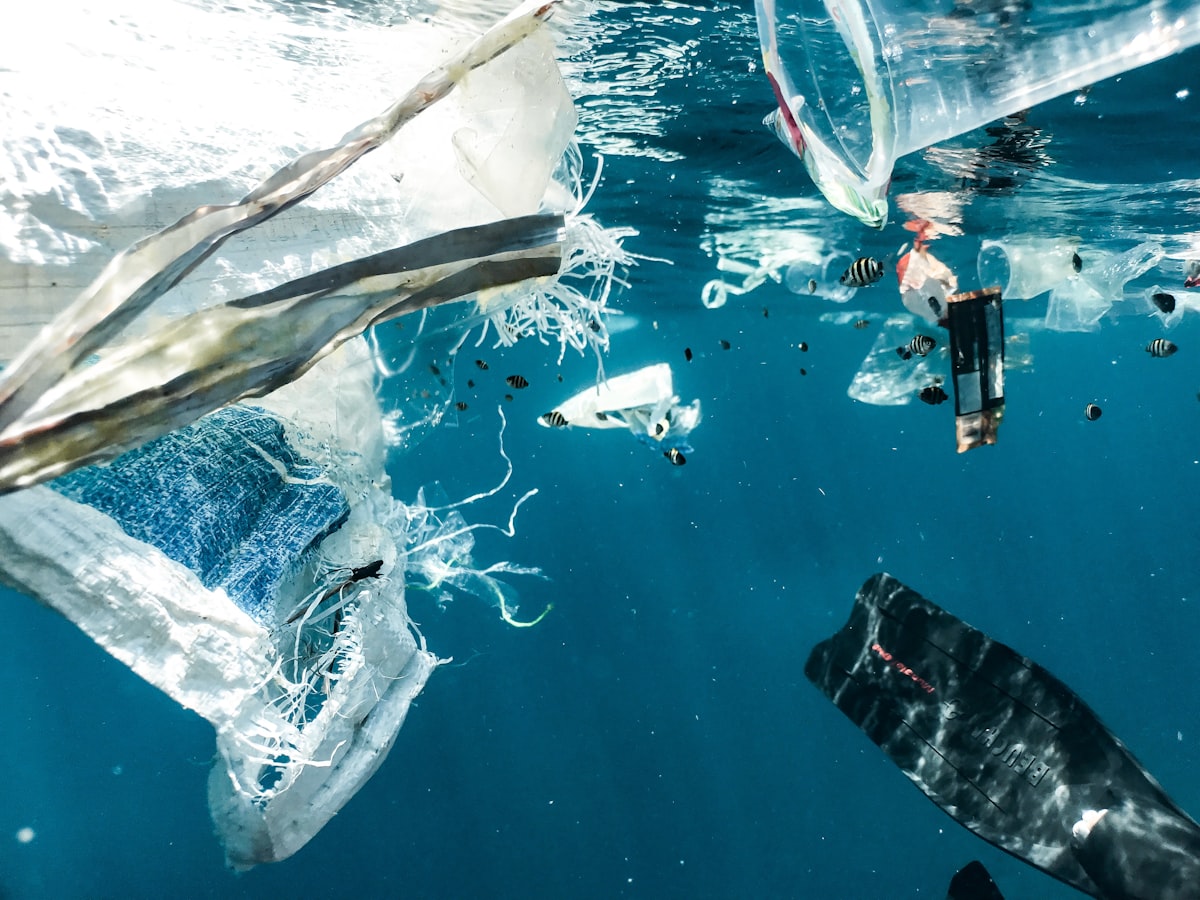
Every year, 8 million tonnes of plastic enter our oceans. Across forests, riverbanks, and parks, millions more tonnes of litter go uncounted. Much of it is left behind without a second thought — a coffee cup here, a plastic bag there. But what we discard does not disappear. It transforms into a slow-moving crisis for every living thing that shares this planet with us.
Why Self-Awareness Matters
The first step toward change is awareness. Most people who litter do not intend harm. They act on habit, convenience, or the false belief that someone else will deal with it. Developing genuine self-awareness around our waste — pausing before we discard, understanding where something goes, recognising the chain of impact — is one of the simplest and most powerful shifts we can make.
"We do not inherit the Earth from our ancestors; we borrow it from our children."
Every piece of waste has a story after we let go of it. Knowing that story changes how we act.
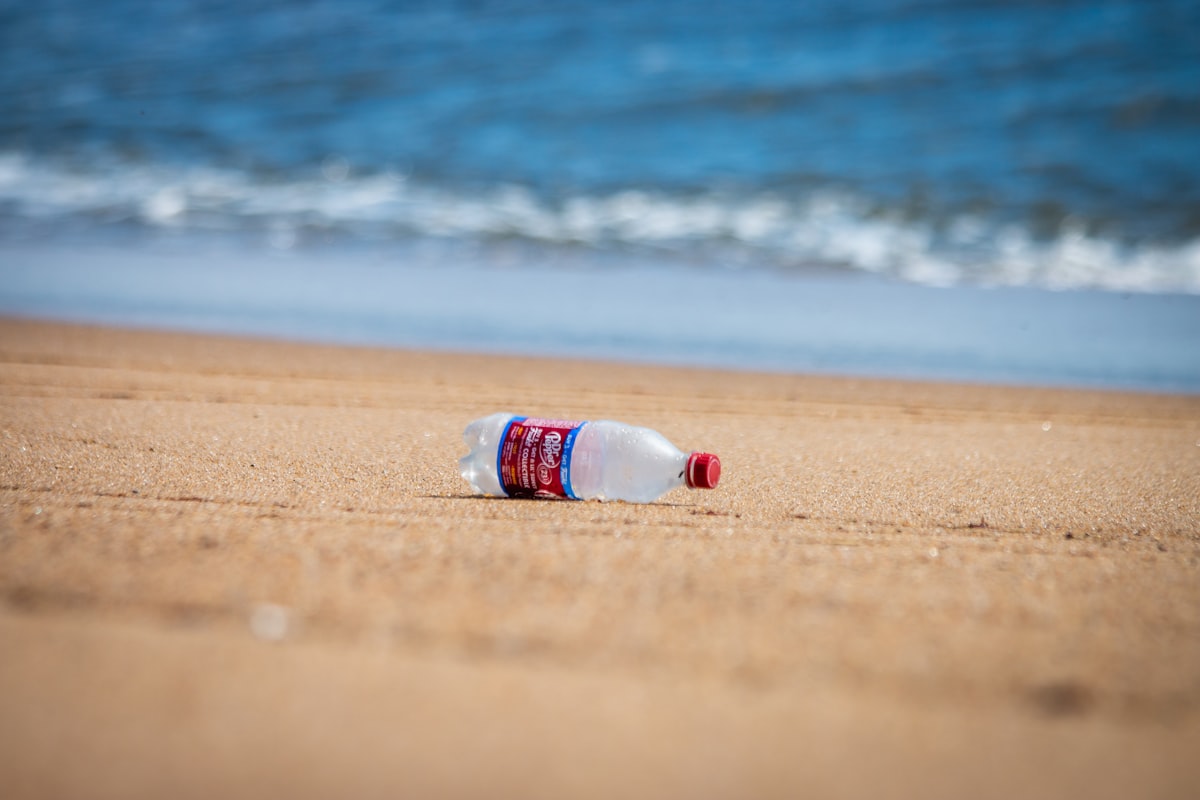
Animals Consuming Plastic
Animals cannot distinguish between food and plastic. Marine turtles mistake floating plastic bags for jellyfish and eat them. Seabirds feed plastic fragments to their chicks, filling their stomachs with material that provides no nutrition and causes internal injury. Whales have been found stranded with hundreds of kilograms of plastic in their digestive systems.
It does not stop at the ocean. Deer and goats in parks and countryside graze near roadsides where litter collects. Hedgehogs get trapped in discarded cups and cans. Birds weave plastic thread into their nests, only to entangle their own hatchlings.
The tragedy is that these animals have no way to report the danger, no mechanism to avoid it, and no treatment when harmed.
Microplastics: The Invisible Threat
When larger plastic items are not removed, sunlight and mechanical wear break them into microplastics — fragments smaller than 5 mm, often invisible to the naked eye. These particles enter soil, freshwater, and the sea. They are consumed by plankton, insects, and fish, and travel up the food chain.
Studies have detected microplastics in:
- River and lake sediment
- The bodies of freshwater fish
- Earthworms and soil invertebrates
- Rainwater and mountain snowpack
- Human blood and lung tissue
Nature's cleanup systems — decomposition, filtration, predation — were not built for synthetic polymers. Once microplastics enter an ecosystem, they persist for centuries.
What Each of Us Can Do
Awareness without action is only half the equation. Here is what genuinely makes a difference:
- Carry your waste out. If you brought it in, take it home or to the nearest bin. This one habit, practised consistently, prevents the majority of outdoor litter.
- Pick up three pieces. Any time you are outdoors, challenge yourself to collect three pieces of litter you did not create. It takes less than a minute and has an outsized effect.
- Report litter hotspots. Use eCleanup to pin locations where waste has accumulated. Local cleanups and municipal collection depend on this data.
- Refuse single-use plastic when a reusable option exists. The most impactful litter is the kind that was never created.
- Talk about it. Normalising care for shared spaces changes community behaviour faster than enforcement alone.
The Bigger Picture
Our individual actions are not isolated. They ripple outward — into the soil that grows food, the water that sustains entire ecosystems, the air carried by wind across continents. A plastic wrapper left on a trail does not stay on that trail.
Self-awareness means recognising this chain. It means understanding that the convenience of discarding something carelessly is borrowed comfort, paid for over decades by soils, waterways, and the creatures that depend on them.
The planet's systems are resilient, but they are not infinite. When we choose to act with care — to pick up, to report, to refuse — we are not performing virtue. We are paying a debt we already owe.
Help us map litter in your area. Drop a pin, claim a cleanup, make it count.
Sources
- Jambeck et al. (2015) — Plastic waste inputs from land into the ocean, Science
- IUCN Issues Brief — Plastic Pollution (2024)
- WWF — Why Sea Turtles Mistake Plastic Bags for Food
- NOAA Marine Debris Program — Ingestion by marine animals
- Brahney et al. (2020) — Plastic rain in protected areas of the United States, Science
- Leslie et al. (2022) — Discovery and quantification of plastic particle pollution in human blood, Environment International