Not All Bad: Seven Real Wins in the Fight Against Waste
Published: May 2026 — by the eCleanup team

The headlines about pollution are grim, and most of the numbers deserve to be taken seriously. But a steady diet of bad news can produce the wrong conclusion — that nothing is working, that the problem is too large to move, that individual and collective action is pointless. That conclusion is wrong. Here are seven places where policy, technology, and behaviour change have produced measurable, documented results. These are not aspirations. They are things that already happened.
California: Plastic Bag Litter Down 72%
California became a proving ground for bag bans across the US. After local bans took hold in cities like San Jose, plastic grocery bag litter in storm drains fell by 89%, and by 60% in local creeks and rivers. Statewide, the September 2017 coastal cleanup recorded 72% fewer plastic grocery bags compared to 2010. Local bans across the state have collectively eliminated an estimated 5 billion plastic shopping bags per year. As of January 2026, California extended its ban to cover all single-use checkout bags statewide.
United Kingdom: 98% Fewer Bags in a Decade
In 2015, England introduced a modest 5p charge on single-use plastic carrier bags. The result was immediate and dramatic. Within the first full year, the seven largest retailers issued over 6 billion fewer bags — a drop of 83% compared to pre-charge levels. By 2023–24, the reduction against the 2014 baseline had reached 98%. Before the charge, the average household used around 140 single-use bags per year. That figure has now fallen to four. A simple price signal, applied consistently, changed the behaviour of an entire country.
Rwanda: A Nation That Chose to Be Clean
Rwanda banned single-use plastic bags in 2008 — one of the earliest bans in the world — and enforced it seriously, with fines equivalent to US$61 for violations. The country then went further in 2019, extending the ban to all single-use plastics. The results are visible: Kigali is widely recognised as the cleanest capital city in Africa, and Rwanda is routinely cited as a model for what enforcement and community engagement — through a monthly community clean-up programme called Umuganda — can achieve. Compliance is high not because people fear fines alone, but because the expectation of a clean environment has become a shared national value.
Norway: 97% of Plastic Bottles Recycled
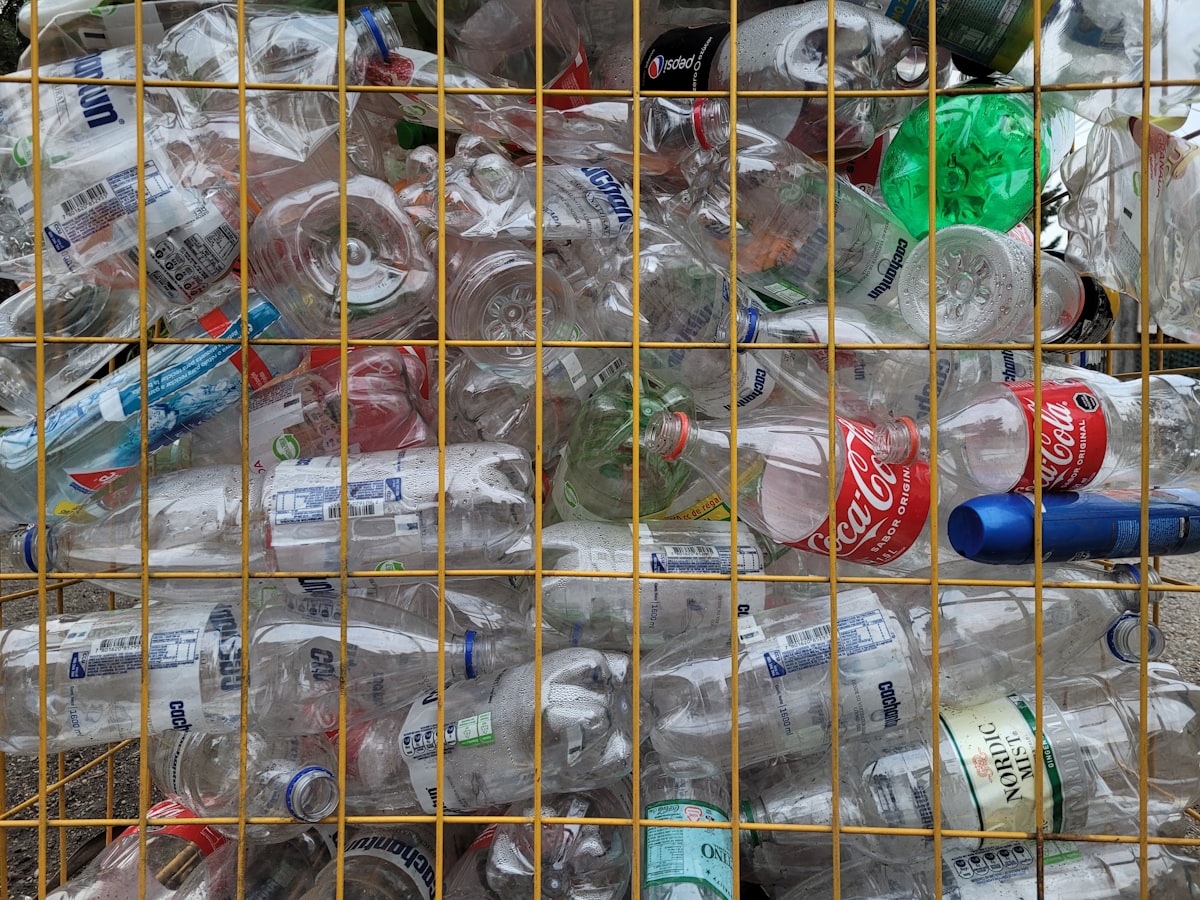
Norway's deposit return scheme is the most effective bottle recycling system on the planet. Consumers pay a small deposit when they buy a drink in a plastic bottle; they recover it when they return the empty bottle to a reverse-vending machine. The result: 97% of plastic bottles are recycled, almost all to a quality high enough to be made back into bottles. In 2023 alone, over 589 million plastic bottles were returned, recovering more than 21,000 tonnes of plastic. Less than 1% of beverage containers in Norway are littered. The system has been running since 1972 and continues to improve.
The Ocean Cleanup: 50,000 Tonnes Removed
In 2013 a 19-year-old proposed using the ocean's own currents to concentrate and collect the plastic already floating in it. Many were sceptical. By January 2026, The Ocean Cleanup's vessels and river interception systems had removed more than 50 million kilograms — 50,000 tonnes — of trash from oceans and rivers worldwide. In 2024 alone, the project collected 11.5 million kg, more than in all previous years combined. The organisation has placed a cost and a timeline on cleaning the Great Pacific Garbage Patch, and the work is continuing.
The EU: Straws, Plates, and Cutlery Banned
The European Union's Single-Use Plastics Directive, which came into force in 2021, eliminated some of the most commonly found items in European beach cleanups: plastic straws, cotton bud sticks, cutlery, plates, and balloon sticks. The Directive also set binding collection targets — 77% of plastic bottles by 2025, rising to 90% by 2029. EU plastics production fell by 8.3% between 2022 and 2023, a meaningful shift in a sector that had grown almost every year for decades. Several member states, including France, Spain, and Belgium, went beyond the directive's requirements and banned additional categories.
Ireland: A Levy That Cut Bag Use by 90%
In 2002, Ireland introduced one of the world's first plastic bag levies. It was controversial at the time. Within months, plastic bag use fell by 90%, and the country went from one of the highest per-capita bag users in Europe to one of the lowest. The levy raised funds directed toward environmental programmes. Ireland's experience was studied by governments around the world and directly influenced bag policies in the UK, Denmark, and beyond. It demonstrated, two decades ago, that price signals work — and that the public adapts quickly when given a clear incentive.
None of these wins were inevitable. Each required someone to decide that measurable reduction was possible, set a target, and then actually measure it. The pattern holds everywhere: where data is tracked and accountability is real, the numbers improve.
Sources
- Californians Against Waste — One Year Later: Bag Ban Results in Substantially Reduced Plastic Bag Litter
- UK Government — Plastic bag use falls by more than 98% after charge introduction
- UNDP — Umuganda: Rwanda's audacity of hope to end plastic pollution
- Global Green Growth Institute — Rwanda: lessons learnt from a pioneer in the fight against plastic pollution
- Climate Action — 97% of plastic bottles are recycled in Norway
- The Ocean Cleanup — 2024: A record-breaking year
- European Commission — Single-Use Plastics Directive